
Toronto Family Lawyer for Separation and Divorce
Advice, negotiation and court representation from a Toronto family lawyer for parenting, support, property, separation agreements and divorce.
- Led by aCertified Specialistin Family Law
- ✓Fees discussed before you retain the firm
Let's start with a free case review
Tell us briefly what's happening. We'll contact you to set up a free first conversation about your situation and whether we can help. Please leave out sensitive details for now.
We protect your data. See our privacy policy for details.
What your free case review covers
We'll go through these four areas with you and tell you which of our services would cover your situation.
A risk or deadline
If a child may be moved, housing or property is at risk, or a court date is close, call 647-557-9698 instead of waiting for an online reply. If anyone is in immediate danger, call 911.
If you're facing abuse or threats at home, we can help you apply for emergency orders, including a restraining order or exclusive possession of the home.
Family violence and emergency ordersParenting arrangements
We help you agree on a parenting schedule and who makes major decisions, or change arrangements that no longer work. We also act when a parent wants to move with a child.
Money, property, and housing
We work out child and spousal support and get the income disclosure it depends on. We also deal with dividing property and debts, and with the matrimonial home.
Agreements, orders, or court steps
Bring any existing agreement, court order, application, or scheduled court date into the first review.
Family-law services in Toronto
We handle the legal work of separation and divorce in Toronto, and draft agreements for couples before or during a relationship.
We prepare or respond to divorce applications and resolve the parenting, support and property issues that come with them, by agreement or in court.
Separation agreements
We negotiate, draft and review separation agreements that settle parenting, support, property and the matrimonial home without a court order. If your spouse's lawyer has already sent you a draft, we can review it before you sign.
Prenuptial and cohabitation agreements
Marriage contracts for couples who are engaged or married, and cohabitation agreements for couples who live together, setting out property, debts and support if the relationship ends. We draft new agreements and review ones the other side has prepared.
Arrangements for major decisions about a child's health, education, culture, and well-being. We negotiate parenting plans, review existing orders and represent parents in court when agreement isn't possible, including relocation and Hague Convention cases.
Weekly schedules, holidays, exchanges, travel and communication between homes. We can help you set a schedule or change one that no longer works.
We calculate support from each parent's actual income and get the income disclosure that calculation depends on. Some special expenses, such as private school or extracurricular costs, may be shared on top of the base amount when they qualify. We act whether you pay support or receive it, handle disputes over those expenses, and enforce support that isn't being paid.
Whether support is owed, how much and for how long, including retroactive claims and disputes over a spouse's real income. We act for people seeking support and people responding to a claim, and can enforce or change an existing agreement or order.
We list and value what each spouse owns and owes, calculate equalization, and deal with the matrimonial home, pensions and business interests. When a value is disputed, we work with appraisers, business valuators and pension specialists.
Disputes over income, a business or a pension
If you think your spouse earns more than they report, or a business or pension has the wrong value, we ask for the financial records behind those figures and can ask the court to order them if they aren't provided.
Barry Nussbaum, the firm's founder, worked in international tax consulting for Canadian multinationals before becoming a lawyer, and has acted in high-income support disputes.
How your family-law matter can be resolved
We can help you reach an agreement, work through mediation or collaborative law, or represent you in court.
Negotiate and record an agreement
When you and your spouse can exchange information and work toward terms, we negotiate with the other side or their lawyer and draft the agreement, or review one that has been drafted for you.
Use mediation with a neutral facilitator
When direct negotiation stalls but both people can take part and share enough information, a neutral mediator helps them work through terms. We advise you before and between sessions and review proposed terms before you agree to them.
Collaborative family law
Both people and their lawyers agree in writing to settle without going to court, then meet together to work through the issues. We offer collaborative family law services.
Go to court when an order is needed
Court may be necessary for urgent relief, safety concerns, important information that has not been provided, an existing order that is not being followed, or issues that cannot be resolved by agreement. We can represent you through motions and trial. Ontario publishes a Guide to Procedures in Family Court.
Compare family dispute resolution optionsDeadlines are not all tied to the same date, and property claims in particular can have their own limitation period. See the Ontario Family Law Act and ask a lawyer which dates apply to your situation.
1,149 Google reviewsCurrent profile rating
Reviews on our Toronto Google profile
“I am so grateful to have had Julia Passeri and her team in my corner while I was finalizing my separation agreement, which was not uncomplicated as it focused on establishing parenting time across continents as well as securing spousal and child support payments.”
“I spent 2½ years working exclusively with Rebecca Ye at Nussbaum Law on two separate family law matters involving property, in which I was the respondent.”
How family-law fees are worked out
What you pay depends on the work your matter needs. Reviewing a drafted agreement is a smaller job than a parenting dispute, several motions or a trial.
What shapes the cost
The main factors are urgency, how much you and your spouse already agree on, how much financial disclosure is still outstanding, and whether the matter is resolved through negotiation, mediation or court.
Some services have a fixed fee. You can see which ones on our fixed-fees page.
Any estimate depends on what we know at the start. It can change if your matter does, for example if talks break down and a motion becomes necessary.
About the free case review
The free case review is a first conversation about your situation and whether we can help. It doesn't commit you to retaining the firm.
It isn't free ongoing legal work, and on its own it doesn't create a solicitor-client relationship. It can't replace advice on your full financial position or guarantee a particular outcome or timeline.
If we take on your matter, the retainer, how time is billed and the first stage of work will be explained before anything starts.
The lawyers who lead our family-law team
Barry Nussbaum founded the firm and leads its family-law practice with Jessica Cohen, Senior Counsel and Team Lead. Day-to-day work on your file may be handled by another lawyer on the team. If we take on your matter, we'll tell you which lawyer is responsible for it.

Barry Nussbaum
Called to the Ontario Bar in 2005 and the New York Bar in 2007, with more than 20 years in family and divorce law. JD from Osgoode Hall Law School and MBA from the Schulich School of Business.
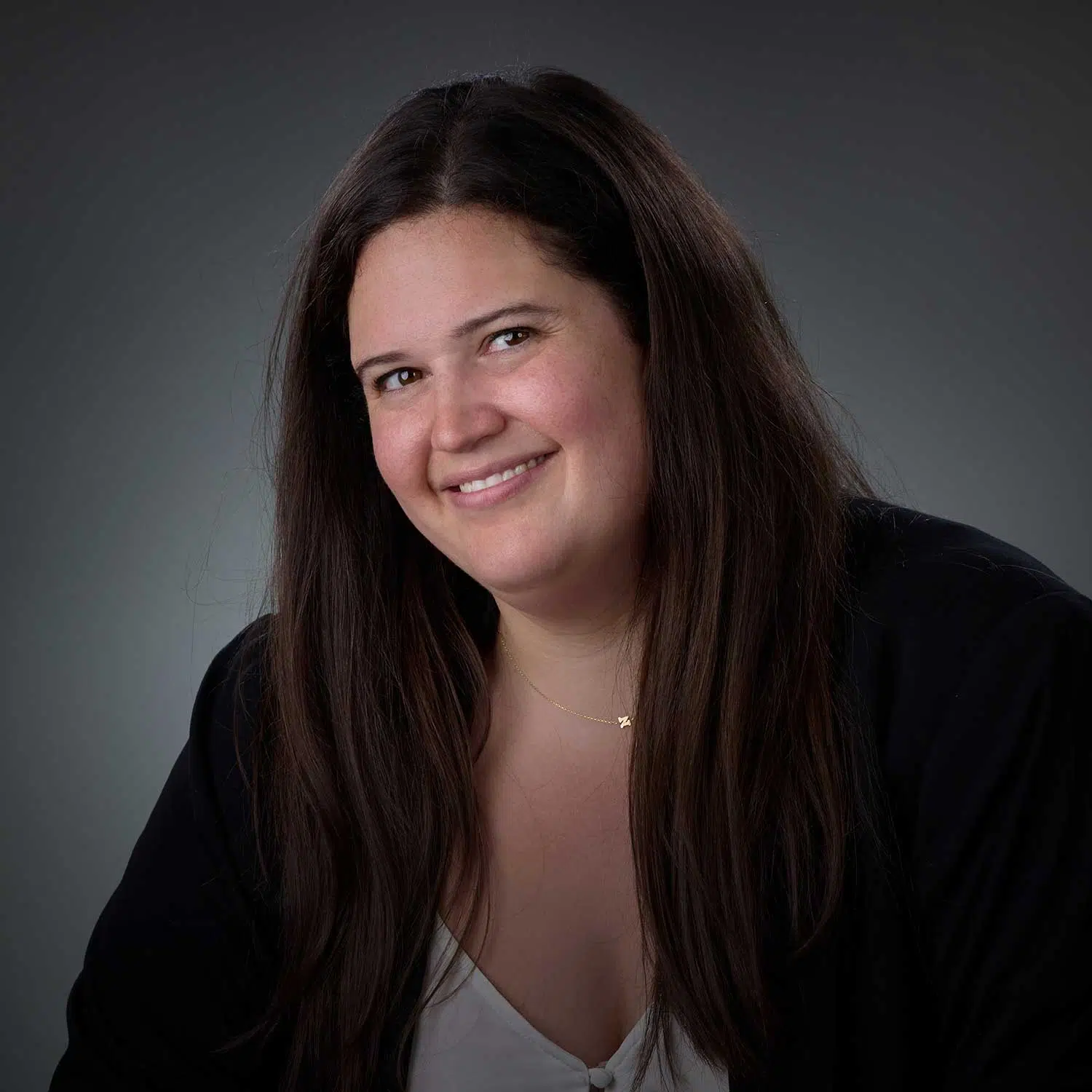
Jessica Cohen
Jessica graduated from Osgoode Hall Law School in 2013, was called to the Ontario Bar in 2014 and has practised only family law since. Her work includes divorce, parenting, support and property division.
She holds a master's in psychology focused on anxiety, conflict and decision making, and uses it to help clients manage the stress of a family dispute.
Meet the full family-law team
Senior Counsel and Team Lead

Jessica Cohen
Senior Counsel – Team Lead
Associate Lawyers

Adam Jaffer
Associate Lawyer
Afras Khattak
Associate Lawyer

Alana Cameron
Associate Lawyer

Ari Rubin
Associate Lawyer
Caitlin O’Garr
Associate Lawyer

Clifton Leung
Associate Lawyer

Danielle Waechter
Associate Lawyer

Gurjit Nagra
Associate Lawyer

Jonathan Korman
Associate Lawyer

Jotty Gill
Associate Lawyer

Julia Passeri
Associate Lawyer
Kirsi Ralko
Associate Lawyer

Laaiba Nawal
Associate Lawyer

Mariam Khattak
Associate Lawyer

Michael Krznaric
Associate Lawyer

Mikaela Meglio
Associate Lawyer
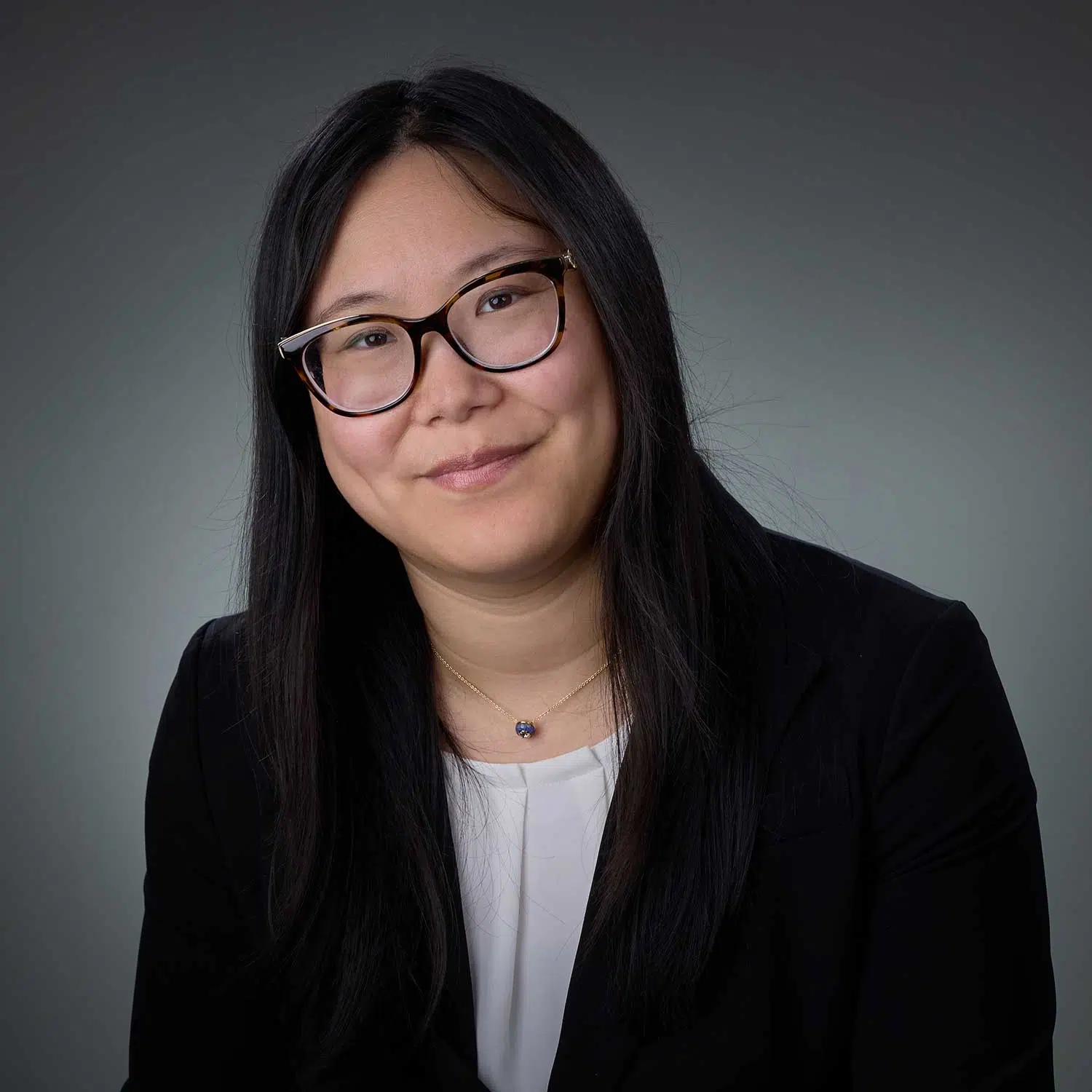
Nan Zheng
Associate Lawyer

Nicholas Vaduva
Associate Lawyer

Nina Kapferer
Associate Lawyer

Rebecca Ye
Associate Lawyer

Sage Harvey
Associate Lawyer

Sarah Dingwell
Associate Lawyer

Sophia Schwartz
Associate Lawyer

Tanys Insley
Associate Lawyer

Vivian Chu
Associate Lawyer
Of Counsel

Shmuel Stern
Of Counsel
Find Nussbaum Law at Yonge and Sheppard
Our office is at Yonge Street and Sheppard Avenue in North York.
Nussbaum Family and Divorce Lawyers The Madison Centre, 4950 Yonge Street, Suite 801 North York, ON M2N 6K1- Phone
- 647-557-9698
- When you call
- Calls are answered 24/7 by our customer service team, so you may speak with them before you speak with a lawyer.
Frequently asked questions about family law in Toronto
Practical answers about fit, preparation, fees, process, and parenting arrangements.
What family-law matters can Nussbaum Law help with in Toronto?
What should I prepare for a family-law case review?
How are family-law fees determined?
Does every family-law matter have to go to court?
Which court handles a family-law case in Toronto?
It depends on what you need the court to decide. Only the Superior Court of Justice handles divorce, dividing family property and the matrimonial home. Child-protection and adoption cases go to the Ontario Court of Justice. Parenting and support can be heard in either court.
The 47 Sheppard Avenue East and 311 Jarvis Street courthouses belong to the Ontario Court of Justice, so they do not hear divorce or property claims. Since September 1, 2024, most new family cases there are assigned by provincial electoral district. Willowdale and York Centre, for example, go to 47 Sheppard. Toronto Centre and Spadina-Fort York go to 311 Jarvis. Find your district with Elections Ontario's postal code lookup, then check the court's practice direction.
Cases started before that date can continue at 47 Sheppard, and later motions to change, status reviews or contempt motions tied to an earlier case go there too. Cases involving Native Child and Family Services or Jewish Child and Family Services are not covered by these boundaries.
Talk to us about your family-law matter
A first conversation costs nothing and doesn't commit you to retaining the firm. If we take on your matter, we'll explain the fees and the first stage of work before anything starts.
Submitting the form does not create a solicitor-client relationship. Information will not be treated as confidential unless and until Nussbaum Law has formally agreed to act for you. Do not submit sensitive or confidential information before a consultation has been booked.